











What lies ahead for insurers after another strong year? RADAR FY2026, Taylor Fry’s latest class-by-class analysis of the sector, examines the key results across business classes for FY2026 and shares insights on the forces likely to shape the next 12 months – including competition in commercial lines, inflation, and AI governance and risk management.
While profitability remained strong in FY2026, it eased from the previous year’s record high. The general insurance industry posted an after-tax profit of $5.3 billion – around $2 billion lower than the record-breaking 2025 financial year.

Dive into RADAR FY2026 for a raft of expert analysis, reader-friendly charts and insightful videos covering the major happenings, emerging trends and impacts for insurers.
Returns across the general insurance sector remained healthy, with both direct insurers and reinsurers achieving a 13% return on capital, staying within the target range.
Volatility vs the long-term view
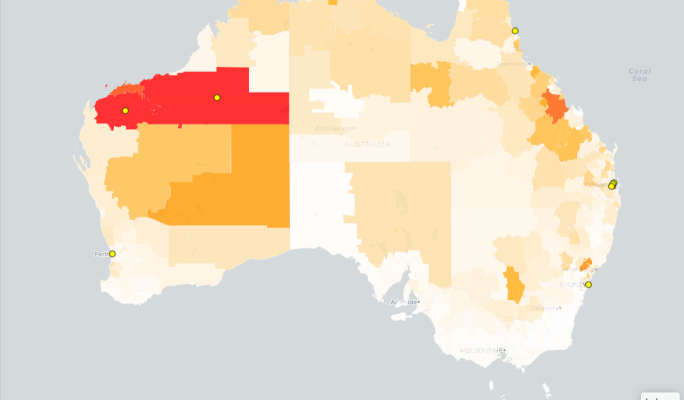
“Beneath the headline result, performance differed markedly by class,” says Taylor Fry Principal, Scott Fry. “Householders recorded an underwriting loss of $42 million following severe storms and hail in Queensland and northern New South Wales, while domestic motor delivered a $1.6 billion underwriting profit. Higher fuel prices since March appear to have had an impact on driving activity and claims, and have supercharged the shift towards electric vehicles.”
Results across commercial classes were mixed, with the full effect of the softening market yet to appear. The profitability of fire and ISR, and of professional indemnity fell, while public liability and directors and officers’ insurance saw gains.
Looking ahead, three main factors are likely to influence profitability: ongoing competition in commercial lines, continued inflation affecting claims costs and premiums, and an increased focus on AI governance and risk management.
“We are forecasting a tougher outlook for the industry over the next 12 months as inflationary pressures increase claims costs, reserve releases slow and the soft commercial market impacts the top line,” says Scott.
Market softening in commercial lines
Commercial lines have continued to soften, due to increased capacity and competition in recent years. Marsh’s June Index showed premium rates dropping by around 15% for commercial property, 10% for public liability and 11% for financial and professional lines.
“This reflects the cyclical nature of commercial insurance,” explains Scott. “Strong profitability attracts capital and capacity into the market, which increases competition and puts downward pressure on rates. As profitability declines, capacity tends to contract, contributing to the next turn in the cycle.”
However, Scott warns the market isn’t going to turn soon.
“We don’t expect this to happen before 2028, and a major economic shock or natural disaster could alter that trajectory,” he says. “Historically, large losses have been followed by sizeable increases in premiums.”
Inflation continues to put pressure on insurers
Inflation remains stubbornly high and above the Reserve Bank of Australia’s target range.
“We’re closely watching construction costs – the cost of building a new house has increased by more than 40% over the past five years,” says Scott. “Construction costs push up claims costs and premiums for home and commercial property insurance and put additional pressure on households and businesses already facing higher expenses.”
Social inflation is raising claims costs for liability insurance. This is driven by factors such as more frequent claims, higher damages, increasing legal costs and more psychological injury claims.

New questions about AI risk and governance
The discussion about AI has moved from its potential uses to the need for businesses to have the right risk and governance frameworks around those uses.
As more companies use AI, the industry is increasingly focused on understanding how the technology can amplify existing risks or create new ones – and how they should be managed.
“These questions are particularly important given that you can give generative AI the same inputs and get different outputs,” says Scott.
“In addition to considering their own use of AI, insurers also need to understand how their customers are using AI and whether the businesses they insure have appropriate controls in place.”
The industry has demonstrated its resilience, but change is the only constant. Insurers will need to keep a close eye on these trends and be ready to respond as market conditions, claims pressures and emerging risks evolve.
Looking ahead
The industry started FY2027 from a strong financial position, but the outlook is mixed. With the commercial market continuing to soften, persistent claims inflation and emerging AI risks, it’s important to look beyond headline profitability to understand how the pressures facing each insurance class may develop.
“The industry has demonstrated its resilience, but change is the only constant,” says Scott. “Insurers will need to keep a close eye on these trends and be ready to respond as market conditions, claims pressures and emerging risks evolve.”
For more details, or to arrange an interview with Scott Duncan, please contact:
Jessica Dodds | +61 457 723 407