









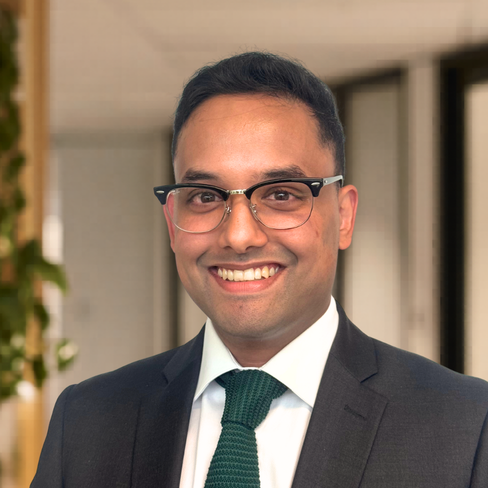
Shayan is a Director at Taylor Fry with more than a decade of experience helping government use data, actuarial modelling and analytics to make better policy, funding and operational decisions. He is known for bringing together deep technical expertise and a practical, collaborative approach to help clients turn complex analysis into decisions that are clear, useful and grounded in real-world outcomes.
His experience spans social policy, veterans’ services, health, welfare and defence-related work. This includes dynamic microsimulation and investment modelling to support long-term policy design, workforce and resource models that inform strategic planning and budget decisions, and predictive analytics that help agencies improve service delivery and target support more effectively. He has also helped public sector organisations modernise their analytics capability by building scalable data, reporting and decision-support tools.
He says:
The best analytics do more than explain what is happening. They help people make confident decisions, use resources well and ultimately improve outcomes for the communities they serve.